
Introduzione
Il stainless steel steam filter system, conference strict functional and purity criteria across commercial applications. The goal is to specify a robust, efficient, and compliant remedy for premium vapor, securing downstream equipment, making certain item integrity, and maintaining procedure performance. Trick factors to consider consist of operational criteria (pressure, temperature level, flow), filtering performance (particle retention, effectiveness), material requirements (stainless-steel quality, surface coating), and adherence to sector requirements. The range of supply will be customized to a standalone filter real estate, specific filter components, or a fully incorporated system.

Product Requirements and Surface Finish of steam filter
Material option and surface area finish are vital for filter long life, rust resistance, tidiness, and compatibility with steam/cleaning representatives.
1. Stainless Steel Quality: . Paramount for heavy steam as a result of high temperatures, deterioration potential, and sanitation needs.
- 304/304L: Good rust resistance, formability, weldability (304L liked for welding). For general industrial heavy steam.
- 316/316L: Superior rust resistance (molybdenum, specifically chlorides). 316L (low carbon) is industry criterion for pharmaceutical, food & beverage, high-purity due to boosted weldability, resistance to sensitization, pitting, hole rust. Advised for sterilized, culinary, tidy heavy steam with item contact, constant CIP/SIP.
- Duplex/Super Duplex (e.g., UNS S31803, S32750): Higher strength, significantly boosted deterioration resistance (tension corrosion cracking, matching) vs. 316L. (Speculative): For very hostile steam, extremely high stress, or uncommon corrosive impurities; highly specialized.
2. Reason for Quality Selection: . 316L is justified for the majority of crucial steam filtering as a result of: superb corrosion/temperature resistance, weldability (low carbon stops intergranular corrosion), cleanliness (smooth surface), and governing approval.
3. Surface Ends up: . Internal surface area finish (Ra) is crucial for protecting against microbial development, cleansing, and pureness.
- Mechanically Sleek: 0.8-0.4 µm Ra. For basic industrial, some food & beverage.
- Electropolished: Extremely low Ra (0.4-0.25 µm or reduced). Electrochemical process for microscopically smooth, passive, extremely corrosion-resistant surface. Easier to clean up, much less bacterial adhesion. Recommended/mandatory for pharma, biotech, high-purity food & drink.
- Bead Blasted: Higher Ra (1.6 µm+). For external/non-product call surfaces where health isn’t essential.
4. Sanitation Requirements: .
- Passivation: Chemical treatment eliminates free iron, enhancing chromium oxide layer and deterioration resistance. Vital for steam.
- Degreasing: Elements should be thoroughly degreased to get rid of producing pollutants, especially for high-purity.
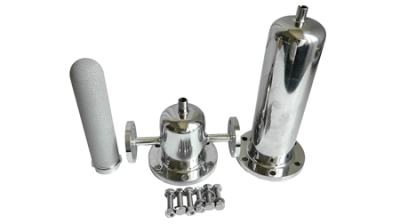
Application of stainless steel steam filter
The stainless steel vapor filter detoxifies steam for delicate applications, with design and product choice dictated by operational context.
1. Function of Filtering: . Steam filtration removes particle issue, rust, scale, pipeline debris, and microorganisms. This is important for:.
- Protecting Downstream Devices: Prevents disintegration, fouling, and damage to sensitive devices (e.g., heat exchangers, valves), extending life expectancy and decreasing upkeep.
- Ensuring Product Purity and High Quality: In pharmaceutical, food, and cosmetic sectors, heavy steam contact calls for pureness to avoid contamination, batch beings rejected, or health risks. Sterile/culinary steam demands greatest purity.
- Preserving Process Performance: Clean vapor protects against build-up in lines, guaranteeing optimal heat transfer and decreasing pressure decline.
- Meeting Regulatory Compliance: Numerous sectors need durable purification to satisfy vapor top quality requireds.
2. Normal Application Environments: . The operational environment influences filter design and products. Typical applications consist of:.
- Drug & Biotechnology: Clean and sterile heavy steam for sterilization (autoclaves, CIP/SIP), direct item get in touch with (high purity, microbial retention); Clean heavy steam for humidification, procedure home heating.
- Food & Drink: Culinary steam for straight food contact, sanitation (food-grade); Process heavy steam for general home heating.
- Chemical & Petrochemical: Refine vapor for home heating activators, protecting warm exchangers.
- Generazione di energia: Wind turbine protection from solid bits.
- General Industrial: Home heating and humidification in numerous making processes.
3. Critical Role within the Wider System: . The vapor filter is integral to the steam generation and distribution system, strategically put downstream of generators/separators yet upstream of critical points of use. Its integrity is extremely important, as failure can create substantial disruptions, contamination, and devices damages.
Process Running Problems of stainless steel filter
Precise operating problems are basic for picking a reliable heavy steam filter.
1. Stress Criteria: .
- Running Stress: Common system pressure, affecting housing design.
- Design Stress (MAWP): Maximum secure stress the real estate can have, surpassing expected operating stress and surges.
- Riduzione dello stress: Differential stress throughout the filter element. Excessive decrease causes power loss. Style reduces drop (typically 0.1-0.5 bar/ 1.5-7.5 psi at small flow) while achieving effectiveness.
2. Temperature Criteria: .
- Operating Temperature Level: Regular steam temperature, impacting material selection.
- Design Temperature (MAOT): Optimum risk-free temperature for parts, accounting for superheated heavy steam.
- Vapor High quality: .
- Dry Saturated Steam: Suitable, marginal liquid water.
- Superheated Vapor: Higher temperatures; requires details material consideration.
- Wet Steam/Condensate: Liquid droplets lower filter lifespan/efficiency; appropriate upstream administration (traps, separators) is critical.
3. Flow Price Criteria: .
- Nominal Flow Rate: Typical flow, sizing housing and elements for wanted stress drop/velocity.
- Peak Circulation Rate: Optimum prepared for flow; system has to handle without compromising efficiency.
- Velocity Factors To Consider: High velocities increase stress decline, disintegration. Ideal design go for regulated circulation.
Example Operating Problems (Speculative): .
- Running Pressure: 6 bar (87 psi).
- Pressione di progetto: 10 bar (145 psi).
- Temperatura di esercizio: 165 ° C (329 ° F) (Saturated steam at 6 bar).
- Design Temperature level: 185 ° C (365 ° F).
- Nominal Circulation Rate: 1,000 kg/hr (2,200 lb/hr).
- Peak Flow Price: 1,200 kg/hr (2,645 lb/hr).
- Steam Top Quality: Dry Saturated Steam.

How is stainless steel steam filter Purification Performance Demands?
Filter efficacy is defined by pollutant elimination to a defined degree, critical for application goals.
1. Called For Filtering Efficiency and Fragment Retention Size: .
- Outright Filtration Rating: Smallest fragment size gotten rid of with 99.9%+ performance, vital for vital applications. Common scores: 0.2 micron (clean and sterile), 0.5 micron (culinary/clean), 1 micron (procedure), 5 micron (coarser).
- Beta Ratio (βx): Precise effectiveness action for absolute filters. $\ betax = \ frac $. E.g., $\ beta \ ge 5000$ means 99.98% performance at 0.2 microns+.
- Particle Type: Effective against regular steam contaminants: rust, range, debris, microbes.
2. Sterility Needs (Pharmaceutical/Biotech/Food & Beverage): .
- Bacterial Retention: Sterile vapor filters should be validated to keep germs (e.g., Brevundimonas diminuta for 0.2 micron).
- Honesty Testing: Aspect needs to be stability testable in situ (e.g., bubble point) before/after sterilization.
- Cleanability and Sterilizability: Element/housing has to permit simple CIP/SIP, enduring repeated heavy steam cycles.
3. Filter Element Life-span and Cleanability: .
- Service Life: Anticipated lifespan for cost/maintenance preparation, influenced by steam quality, flow, sanitation regularity.
- Regenerability/Cleanability: Some components are cleanable/reusable (e.g., sintered stainless-steel); others are disposable. Selection depends upon application, expense, guidelines.
Richiedete un preventivo oggi stesso!