
1. Introduction
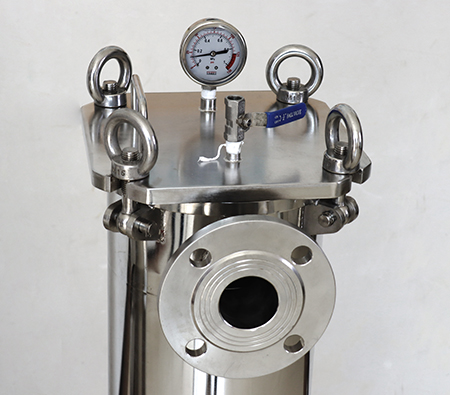
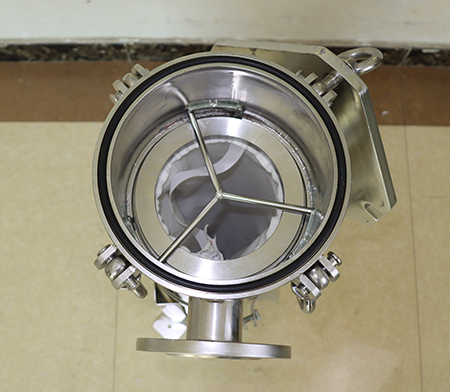
Lvyuan stainless-steel bag filters, focusing on efficiency and long life in commercial filtering. The scope covers specific stainless-steel qualities (304, 316L, 310S), usual operating conditions (temperature, pressure, chemical environment), crucial failing modes (corrosion, mechanical tiredness, thermal degradation, abrasion), and differences between liquid/gas filtering and filter building and constructions (woven mesh, sintered fiber, pleated). The objective is to synthesize expertise on variables regulating filter lifespan and determine optimization approaches.
Stainless-steel filters are extensively utilized throughout markets such as chemical processing, oil and gas, power generation, pharmaceuticals, and food/beverage because of their stamina, corrosion resistance, and reusability. They withstand extensive cleaning and extreme problems without considerable effectiveness loss. Robust stainless steel real estates sustain high temperatures and stress, and the material’s broad chemical resistance matches diverse commercial media.
2. Product Quality of Relevant Stainless-steel Grades
Selecting the appropriate stainless steel grade is important for filter sturdiness, as each alloy’s buildings affect resistance to deterioration under details problems. Qualities of interest are 304, 316L, and 310S.
Stainless-steel 304 is an austenitic quality (approx. 18% chromium, 8-10.5% nickel). It offers good basic deterioration resistance and formability, making it a cost-efficient choice for applications with minimal chloride direct exposure, though less immune than 316/316L in such settings
Stainless-steel 316 includes 2-3% molybdenum to the 304 make-up (16-18% chromium, 10-14% nickel). Molybdenum dramatically improves resistance to pitting and hole corrosion, particularly in chloride-containing atmospheres. This makes 316 suitable for aquatic and overseas applications.
Stainless Steel 316L is a low-carbon 316 variant (max 0.03% carbon). Decreased carbon minimizes carbide rainfall during welding, avoiding intergranular corrosion in the heat-affected zone (HAZ). This enhances efficiency in high temperatures and enhances rust resistance over typical 316, particularly in bonded structures. Electropolished 316L is favored in pharmaceutical/semiconductor markets for its smooth surface area and enhanced deterioration resistance .
Stainless-steel 310S masters high-temperature solution, with greater chromium (24-26%) and nickel (19-22%) than 304L/316L This make-up supplies high creep strength and exceptional oxidation resistance up to 1100 ° C. High chromium creates a stable Cr two O five layer preventing oxidation. 310S has better creep resistance than carbon steel and maintains substantial tensile stamina at high temperatures. It withstands sulfidation in flue gases and moderately withstands carburization. However, it’s vulnerable to sigma phase embrittlement between 650-950 ° C( minimized by annealing). and is except wet destructive settings as a result of greater carbon affecting aqueous resistance.
Pitting Resistance Equivalent Number (PREN) contrasts pitting resistance. 304/304L PREN is 18.0-20.0; 316/316L is 22.6-27. Higher PREN means better resistance. More hostile applications might require higher-nickel alloys like Monel 400 or Hastelloy C276 .
3. Impact of Running Setting on Resilience
The operating atmosphere significantly affects stainless-steel filter toughness. Temperature level, stress differential, and chemical composition of the filtered tool are essential variables.
Temperature level: Elevated temperature levels increase deterioration and induce thermal deterioration. High temperatures trigger oxide scale development. While qualities like 310S type safety Cr two O THREE, prolonged exposure or biking can cause spallation. 310S stands up to spalling far better than Kind 309 , but thermal/mechanical tiredness at high temperatures can create embrittlement and lowered tiredness efficiency.Raised temperature likewise minimizes pressure scores.
Pressure Differential: Pressure throughout the filter media creates mechanical tension. High pressure can cause mechanical tiredness, specifically in porous structures like sintered filters where pores concentrate anxiety. Cyclic filling from pressure fluctuations or cleaning (pulse jet) can launch splits causing failing. Rigid stainless steel filters withstand deformation under stress , however extreme surges can trigger display rupture.
Chemical Composition: The chemical nature of the medium drives rust. Stainless steels rely on an easy chromium oxide layer. Aggressive types can break this down.
- Chlorides: Destructive, triggering matching and crevice rust. 316/316L are much more immune than 304 because of molybdenum.
- Acids/Alkalines: Stainless-steel stand up to lots of chemicals, yet focused or certain hostile chemicals can deteriorate them. Destructive liquids harm the filter and infect the stream.
- Sulfur: High-temperature gas filtering with sulfur can cause sulfidation over 650 ° C.310S stands up to sulfidation.
- Carburizing/Nitriding: High-temperature gas can be carburizing/nitriding. 310S withstands modest carburization.
- Hydrogen Embrittlement: In atmospheres with H2S, hydrogen embrittlement can happen, especially in welded 304L. Copper contamination and HAZ are factors. Controlling H2S and post-weld annealing help.
- Cavitation: In liquid purification, cavitation creates wear and degradation.
The interaction of these factors is complicated; e.g., temperature level accelerates deterioration with hostile chemicals. Abrasive particles boost deterioration by means of erosion-corrosion. Recognizing these communications forecasts life expectancy and aids material/parameter selection.
4. Analysis of Critical Failing Settings
Longevity is linked to resistance to crucial failure settings: deterioration, mechanical fatigue, thermal destruction, and abrasion.
Rust: A significant problem in aggressive chemical settings. Pitting, gap, intergranular (welds), and basic rust compromise integrity. Choosing the correct grade (316L for chlorides, 310S for high-temp sulfidation) is essential.Destructive liquids damages filters and contaminate items. Symptoms consist of constant replacement, contamination, and poor flow.
Mechanical Fatigue: Cyclic stress and anxieties from stress fluctuations or cleansing (backwashing, pulse jet) trigger tiredness. Appropriate for permeable structures like sintered filters where pores are stress and anxiety concentrators. Cracks initiate at stress and anxiety points and propagate under cyclic packing . Sintered products have reduced endurance restrictions than strong counterparts because of pores. Variables like powder fraction, sintering temperature level, and nanopowder influence tiredness by means of pore structure. Surface densification boosts tiredness by introducing compressive tension.
Thermal Deterioration: High temperatures trigger oxidation, creep, and phase changes. Oxidation types ranges that can spall under biking. Creep is time-dependent deformation under tension at high temperatures. 310S stands up to creep yet can deform under extended load. Stage changes (sigma stage in 310S) cause embrittlement and reduce buildings. Thermal and mechanical tiredness combine to degrade stability at heats.
Abrasion: Solid fragments impacting or scrubing the filter cause wear. Severity depends upon bit characteristics (dimension, form, firmness, focus), circulation velocity, and filter material hardness/surface. Larger, sharper bits cause deeper wear. Erosion rates vary with effect angle. Use mechanisms consist of plastic contortion, pitting, cutting, and tilling.In baghouses, abrasion results from bags scrubing or cleaning up methods.Managing fragment access, maximizing porosity, and surface alteration (nitriding) enhance resistance.
Other Failure Modes: Less constant but feasible:
- Clogging/Blinding: Fragment accumulation decreases efficiency and flow, enhancing stress decline.
- Hydrogen Embrittlement: Can influence bonded areas in certain settings.
- Cavitation: Causes local damages in fluid systems.
- Seal Failing: Gasket/seal deterioration brings about bypass and leak.
Recognizing these modes is crucial for choosing products, building, and parameters to make best use of toughness.
5. Durability Considerations in Specific Applications
Resilience difficulties differ in between liquid and gas filtering because of tool residential properties, conditions, and leading failure mechanisms.
Fluid Purification: Stainless steel filters are valued for toughness, deterioration resistance, and reusability in liquid applications.Trick factors to consider:
- Deterioration: Fluid settings with chlorides, acids, etc, present substantial danger 316L is liked in corrosive/high-purity fluids for boosted resistance . Chemical inertness protects against product contamination .
- Clogging/Cleaning: Liquids usually have greater bit focus, boosting clogging danger. Effective cleaning is a major benefi making use of backwashing, pressure washing, chemical cleaning. Inadequate cleansing creates irreparable blinding.
- Basınca Dayanıklılık: Liquid systems can entail high pressures, needing robust building and construction. Housings/cartridges endure high pressures .
- Cavitation: A wear mechanism in liquid systems with high flow/pressure modifications. More difficult materials help.
- Hydrogen Embrittlement: Can take place in specific fluid environments, impacting welds.
Gas Filtration: High-temperature gas filtering challenges focus on thermal destruction and high-temperature deterioration.
- High-Temperature Oxidation/Creep: Gas filtering frequently takes place at elevated temperatures, making oxidation and creep crucial for qualities like 310S. Range formation/spallation and time-dependent deformation are essential paths.
- High-Temperature Rust: Gas streams can contain types aggressive at high temperatures (sulfur, carbon). 310S stands up to sulfidation and modest carburization.
- Thermal Cycling: Temperature level variations cause stress, contributing to scale spallation and thermal fatigue. 310S resists spalling under cycling.
- Abrasion: High gas velocities can cause rough wear, specifically with tough fragments. Influence angle is critical.
- Mechanical Fatigue: Pressure changes (pulse jet cleansing) generate tiredness.
Industry-Specific Requirements: Industries have special needs:
- Pharmaceutical/Food & Drink: Require health and pureness. 316L (electropolished) is preferred for inertness, cleanability, and resistance to microbial growth. Hygienic styles satisfy cGMP criteria.
- Oil & Gas/Petrochemical: Include high temperatures, pressures, and corrosive media (H2S, sulfur). Resistance to sulfidation, hydrogen embrittlement, and creep is essential.
- Güç Üretimi: High-temperature gas filtration requires products immune to oxidation, creep, and high-temperature rust.
The application kind dictates leading sturdiness challenges and influences material/construction option.
6. Impact of Filter Building on Mechanical Durability
Filter construction substantially affects mechanical durability, affecting resistance to stress and anxiety, abrasion, and architectural integrity. Woven mesh, sintered media, and pleated layouts use differing homes.
Woven Mesh: Common building and construction in numerous patterns. Sturdiness depends upon cable diameter, mesh matter, and pattern.
- Toughness: Originated from interlocked cords. Denser weaves (twill) provide higher toughness for great filtration under pressure.
- Abrasion Resistance: Depends on cord solidity and structure. Fragment impact/rubbing creates wear, possibly bring about cord breakage. Impact angle is significant.
- Flexibility/Fatigue: Woven mesh has flexibility however repeated flexing/vibration can cause cable exhaustion, particularly at crossways.
Sintered Media (Fiber and Powder): Generated by compacting/heating metal powders/fibers right into a permeable, rigid framework.
- Toughness: Sintered filters, specifically fiber-based, provide high strength/rigidity for high-pressure/extreme conditions. Sintering rises density and toughness.
- Exhaustion Resistance: Important failure mode as a result of pores working as tension concentrators. Fractures initiate at pores under cyclic loading .Pore size/distribution/porosity influence exhaustion life. Finer powders, higher sintering temps, and techniques like copper impregnation or surface area densification improve resistance by minimizing porosity/stress concentrations.
- Abrasion Resistance: Depends on product firmness and pore framework. Fragments use the sintered matrix.
- Brittleness: Sintered products can be more brittle than functioned counterparts, vulnerable to fracture under abrupt impact/stress.
Pleated Layouts: Folding media (mesh or sintered) right into a corrugated structure.
- Enhanced Area: Main advantage, enhancing purification location within a volume. Enhances circulation prices and potentially expands life by dispersing bit load.
- Mechanical Assistance: Pleated structure, usually with cages, gives improved assistance and resistance to pressure differentials. Resists deformation/collapse.
- Abrasion Circulation: Boosts surface area, potentially dispersing rough tons, though flow patterns could focus wear in some areas.
- Tension Concentration: Folds can be stress focus factors, vulnerable to tiredness under cyclic pressure/vibration. Pleat geometry and quality are critical.
Comparison: Woven mesh is flexible/cost-effective; sintered media are rigid/strong, especially at high temps. Sintered media’s porosity makes tiredness vital. Pleating raises surface area area/support but adds possible anxiety factor.Building geometry affects flow/particle effect, impacting abrasion.
Building option considers anticipated stresses, bit nature, and needed area/efficiency. Combinations (e.g., pleated sintered fiber) take advantage of benefits.
7. Final thought and Elements for Maximizing Sturdiness
Stainless steel bag filter toughness is a complicated interplay of product, conditions, application, and construction. Optimizing life-span needs a holistic approach reducing dominant failing devices.
Key Interdependencies: Product deterioration resistance need to match the atmosphere (316L for chlorides, 310S for high-temp oxidation/sulfidation. Temperature level impacts strength and deterioration. High stress causes exhaustion. High temperature triggers thermal degradation/corrosion. Rough fragments trigger wear. Fluid filtration prioritizes corrosion/cleanability; gas filtration focuses on thermal stability/high-temp corrosion. Construction dictates mechanical resistance (tiredness from pores/folds, abrasion).
Techniques for Enhancing Longevity: .
- Ideal Product Selection: Choose the quality finest matched for the environment/temperature.Take into consideration specialized alloys or finishings (CVD, Dursan) for aggressive problems.
- Robust Filter Layout: Lessen tension focus in pleated/sintered designs. Enhance pleat geometry, assistance structures, and sintered porosity.
- Control Operating Parameters: Remain within recommended flow/pressure varieties. Control temperature to prevent accelerated deterioration. Control H2S to alleviate hydrogen embrittlement.
- Effective Cleaning/Maintenance: Normal, appropriate cleaning avoids obstructing without damaging media. Avoid over-cleaning. Examine filters/housing for wear/damage. Correct handling/storage is essential.
- Surface area Modification: Strategies like nitriding enhance abrasion/erosion resistance. Coatings enhance chemical resistance.
- Anticipating Upkeep: Monitor specifications (pressure drop) for very early indication. (Speculation) Anticipating analytics can forecast life-span based upon data.
- Advanced Production: (Speculation) Additive production might develop maximized geometries minimizing anxiety.
- Novel Products: (Conjecture) Research study right into brand-new materials/composites might yield filters for harsher settings.
Incorporating product option, design, operational control, and maintenance extends filter lifespan, enhancing effectiveness, minimizing downtime, and decreasing costs. Reusability contributes to lower ownership expense. Element high quality (O-rings, welds) is essential for dependability.