
Stainless steel filter housings are integral to a wide range of applications, from residential water filtration to complex industrial processes. When it comes to choosing the right material for your filter housing, understanding the differences between common stainless steel grades—304, 316L, and 316Ti—is crucial. Each grade offers unique properties that make it suitable for specific environments and uses.
Stainless Steel Grade 304: The Workhorse
Grade 304 stainless steel is often referred to as the “workhorse” of the stainless steel family due to its versatility and availability. Here’s what you need to know about it:
Composition and Characteristics
Composition: Contains approximately 18% chromium and 8% nickel, which enhances its corrosion resistance.
Properties:
- Corrosion Resistance: Provides good resistance to a wide range of environmental factors, including water, acidic environments, and various chemicals.
- Formability: Easily fabricated and welded, making it ideal for a variety of applications.
- Cost-Effectiveness: Generally more affordable compared to higher-grade stainless steels.
Toepassingen
- Residential Water Filtration: Often used in filter housings for home water systems due to its balance of durability and cost.
- Food and Beverage Industry: Common in equipment that requires clean, non-reactive surfaces.
- General Industrial Use: Used in a variety of components and machinery where moderate corrosion resistance is sufficient.
Limitations
- Chloride Sensitivity: Susceptible to pitting and crevice corrosion in chloride-rich environments, which limits its use in seawater applications or where high chloride concentrations are present.
Stainless Steel Grade 316L: The Marine Master
Grade 316L stainless steel is a variant of the 316 grade, offering enhanced corrosion resistance, particularly in marine and chloride-heavy environments. Here’s a closer look:
Composition and Characteristics
Composition: Contains 16-18% chromium, 10-14% nickel, and 2-3% molybdenum. The “L” in 316L stands for “low carbon,” typically 0.03% or less.
Properties:
- Superior Corrosion Resistance: The addition of molybdenum increases resistance to chlorides and other industrial solvents.
- Low Carbon Content: Reduces the risk of carbide precipitation during welding, enhancing the material’s performance in corrosive environments and
- making it easier to weld without compromising corrosion resistance.
- Strength and Durability: Maintains high strength even in extreme temperatures and conditions.
Toepassingen
- Marine Environments: Ideal for use in marine applications due to its ability to withstand the corrosive effects of saltwater.
- Chemical Processing: Used in chemical processing equipment where exposure to aggressive chemicals is common.
Pharmaceuticals and Food Processing: Suitable for applications requiring strict hygiene standards, as it resists both organic and inorganic chemicals.
Limitations
Cost: More expensive than 304 stainless steel due to its enhanced composition and corrosion resistance properties.
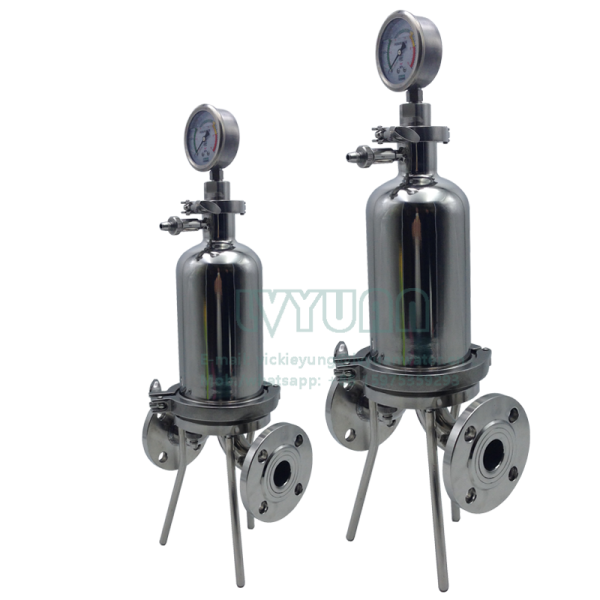
Stainless Steel Grade 316Ti: The Heat Resilient
Grade 316Ti stainless steel is a titanium-stabilized version of 316, offering improved resistance to high temperatures and stress corrosion cracking. Here’s the breakdown:
Composition and Characteristics
Composition: Similar to 316L with the addition of titanium, typically around 0.5%.
Properties:
- High-Temperature Stability: Titanium provides stabilization against carbide precipitation at elevated temperatures, which enhances the material’s
- resistance to sensitization and improves its structural stability in heat-intensive applications.
- Enhanced Strength: Maintains superior mechanical properties and corrosion resistance at higher temperatures compared to 316L.
- Resistance to Intergranular Corrosion: Ideal for applications where components are subjected to elevated temperatures for long periods.
Toepassingen
- Heat Exchangers and Boilers: Perfect for components exposed to high temperatures and corrosive conditions simultaneously.
- High-Temperature Chemical Processes: Used in equipment where resistance to high temperature and corrosion is critical.
- Automotive and Aerospace: Employed in exhaust systems and other high-temperature components.
Limitations
- Availability: Less commonly available compared to 304 and 316L, which can affect cost and sourcing.
- Cost: Typically more expensive due to the addition of titanium and its specialized applications.
Understanding these distinctions allows for informed decisions when selecting stainless steel filter housings based on the specific demands of your application. Whether you need general durability with 304, robust marine and chemical resistance with 316L, or high-temperature stability with 316Ti, each grade offers tailored benefits for its intended environment.
Ready to elevate your filtration system with the right stainless steel grade? Contact us today to find the perfect filter housing for your needs. Whether you’re choosing the versatile 304, the robust 316L, or the heat-resistant 316Ti, our experts are here to help you select the ideal solution.
Vraag vandaag een offerte aan