
소개
A magnetic filter is a filtration tool based on the concept of magnetic separation, additionally called a magnetic field filter or microbubble degassing and de-contamination device. With its unique operating device, it plays a critical role in liquid purification throughout industrial manufacturing and various other areas. As a specialized filtration gadget, its performance is very closely linked to its framework, enabling it to effectively resolve details types of impurity filtration requirements.
How does magnetic filter work?
Magnetic adsorption-driven purification: Magnetic filters are equipped with strong magnetic products. When liquids containing ferromagnetic impurities circulation through the gadget, these impurities are adsorbed onto the surface of the magnetic materials by strong magnetic pressures, consequently accomplishing initial splitting up of the fluid from the impurities. This is the core mechanism of magnetic filter purification.
Fluid dynamics-assisted filtration: Some magnetic filters use fluid characteristics concepts to develop stormy flow conditions within the gadget. Adjustments in circulation rate and pressure create bubbles to release and aggregate on the steel mesh, while impurities are separated from the liquid by gravitational pressure, better improving filtration performance and assisting in finishing the purification procedure.
Dual Device Synergy: Magnetic adsorption and fluid dynamics principles operate in tandem, with the previous focusing on the reliable capture of magnetic pollutants and the last compensating for the separation of non-magnetic pollutants. With each other, they accomplish a lot more detailed fluid filtration and make certain filtration performance.
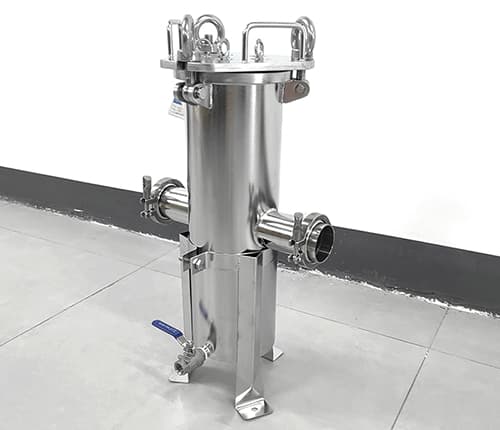
How is magnetic filter structure?
High-coercivity magnetic materials: The device makes use of high-coercivity magnetic products with strong adsorption abilities, exactly recording micron-level ferromagnetic pollutants. This develops the structure for effective filtration and is an essential element enabling the magnetic filter’s filtration performance.
Barrier Filter: The meticulously created obstacle filter better obstructs pollutants in the liquid that have actually not been adsorbed by the magnetic materials, forming a twin filtering obstacle with the magnetic products. This enhances general filtration accuracy, guaranteeing that the liquid leaving the system consists of lower degrees of contaminations.
Unique structural style: Some magnetic filters include a cylindrical long-term magnet at the center, confined by a non-magnetic product cover, with iron rings linked by copper strips surrounding the cover, keeping voids in between the rings. This unique structure aids enhance electromagnetic field distribution, improve filtration performance, and enhance total equipment performance.
What are the types of magnetic filter?
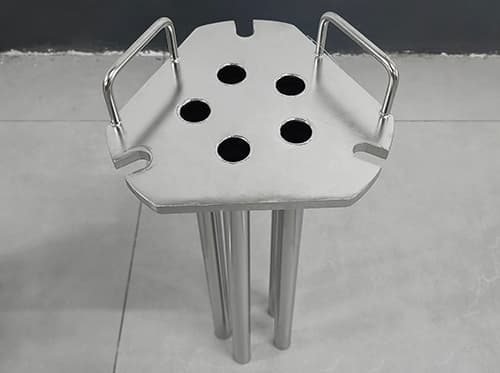
Vertical magnetic rod filter: Additionally referred to as a grid-type magnetic pole filter, this is an earlier sort of filter. Its simple framework is primarily used for filtering ferromagnetic pollutants in fluids and is widely used in different standard filtration situations.
Horizontal Magnetic Rod Filter: Comprising a steel structure real estate, sludge pretreatment device, magnetic rod assembly, chain drive mechanism, automated waste discharge system, and PLC control system, it appropriates for the filtration of complicated fluids in massive industrial systems and can deal with large, high-demand purification tasks.
High-efficiency long-term magnet filter: It adopts a lengthy cylindrical framework, and the exterior long-term magnets can be easily moved into and out of the cylinder through a pneumatic mechanism. This style helps with the cleaning of adsorbed contaminations, boosts use, and uses considerable advantages in maintenance.
Drum-type magnetic filter: This type utilizes a large quantity of magnetic product, can adsorb a huge quantity of ferromagnetic compounds, and does not cause additional contamination. It carries out remarkably well in circumstances with incredibly high sanitation needs, satisfying the rigid purification criteria of specialized markets.
what are the applications of magnetic filter?
Industrial Liquid Equipments: In hydraulic systems, magnetic filters successfully eliminate iron bits and various other magnetic particles, safeguarding hydraulic parts and prolonging equipment life-span; in gas systems, they remove iron particles and sludge from fuel, enhancing gas quality and making sure secure engine procedure, serving as an essential guard for industrial fluid filtration.
Food Market: When applied in the food industry, magnetic filters ensure item purity, satisfy stringent production process requirements, stop magnetic pollutants from infecting food, and play a critical duty in guaranteeing food security and quality control.
Cold Rolling Production: In cool rolling production, magnetic filters, when used along with suitable rolling oils, reduction ratios, and chrome-plated rollers, can properly manage and get rid of residual iron powder from the surface area of steel strips, enhancing product top quality and aiding cool rolling production achieve greater standards.
Pros and Cons of Magnetic filter
High-efficiency elimination of magnetic pollutants: Highly records magnetic fragments such as iron filings and steel spheres, quickly detoxifying fluids including magnetic contaminations with high efficiency and considerable outcomes.
Convenient equipment maintenance: Relatively straightforward structure, very easy to tidy adsorbed contaminations, reduced problem in daily upkeep, saving labor costs and minimizing venture functional problems.
Lengthy life span: Magnetic materials have steady efficiency and do not quickly shed their magnetic residential or commercial properties because of external aspects under regular use, enabling long-term steady procedure and reducing tools replacement frequency.
Environmentally friendly and energy-efficient operation: Runs utilizing the electromagnetic field of permanent magnets without needing added power input, causing low energy usage and straightening with eco-friendly production concepts, providing good environmental benefits.
Negative aspects
Limitations in filtering non-magnetic impurities: Just efficient for magnetic impurities, incapable to take care of non-magnetic materials such as dirt, sand, and oxides, with particular limitations in application situations, unable to fulfill the demands of filtering system all sorts of impurities.
Constraints on tools design space: To guarantee magnetic strength, the tools is frequently big in size, making installment and use hard in confined rooms, with particular demands for the setup setting.
Magnetic efficiency deterioration gradually: After long term usage, magnetic stamina progressively reduces, impacting purification performance. Regular examinations and upkeep are needed, raising monitoring prices during use.
Minimal application in high-temperature settings: Some magnetic materials shed their magnetic homes at heats, making them improper for filtering system high-temperature liquids, thereby limiting their application in high-temperature conditions.
Relatively high modification expenses: Top notch or personalized magnetic filters are costly, especially those created for unique applications, increasing purchase costs for companies and raising the obstacle to access.
How to choose a magnetic filter?
Select precisely based on needs: When choosing a magnetic filter, consider the actual application scenario and liquid characteristics, considering factors such as filter type, framework, and filtering precision to precisely match requirements and select one of the most ideal item to ensure the tools operates successfully.
Regular upkeep and inspection: To guarantee lasting stable procedure and efficient iron elimination efficiency, it is required to on a regular basis tidy accumulated pollutants, check magnetic toughness and tools part conditions, and immediately replace aged or damaged parts. Through scientific maintenance, the life span of the tools can be expanded.