
In the realm of industrial filtration, stainless-steel filter housings stand out for their longevity, rust resistance, and flexibility. Amongst the numerous types offered, 가방 필터, basket striainers, and cartridge stainless steel filter housings are commonly made use of across different sectors. Each kind has its distinct design and efficiency attributes, making them ideal for specific applications. In this article, we’ll take a comprehensive check out the benefits and drawbacks of these 3 types to aid you make notified decisions for your filtering needs.
Bag Filter Housings
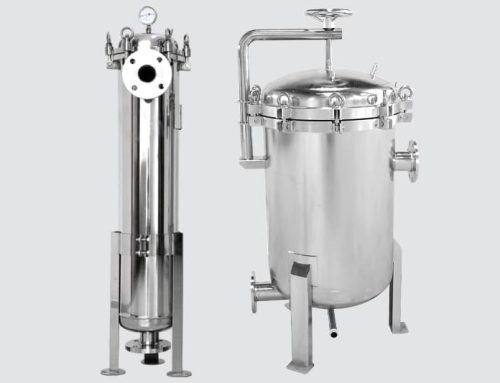
Bag-type stainless steel filters are built with a durable stainless steel real estate that encloses a changeable filter bag. The filter bag, typically made of products like polypropylene or nylon, is the vital part in charge of catching pollutants. The functioning principle is simple: liquid streams into the housing, travels through the filter bag, where contaminants are trapped, and the filtered liquid exits through the outlet.
Among the major advantages of bag-type stainless steel filters is their high purification accuracy . They can effectively eliminate particles as little as 1 micron, making them excellent for applications where a tidy fluid is essential, such as in the food and drink industry. Additionally, they flaunt a large processing ability , which is suitable for large-scale commercial assembly line. In addition, their compact structure saves important floor area in industrial settings.
Nonetheless, there are some disadvantages. The filter bags need to be changed routinely, which can lead to downtime in production. Additionally, with time, the expense of buying replacement filter bags can add up, making the lasting expense fairly high.

Stainless Steel Basket Strainers
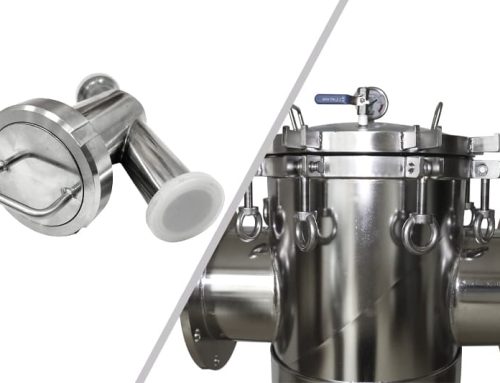
Basket-type stainless steel filters include a basket-shaped filter component made of stainless-steel mesh or perforated plates, enclosed in a robust housing. The working concept is that the liquid enters the real estate, passes through the basket filter, and the contaminations are caught in the basket, enabling the clean fluid to spurt.
These filters offer a number of benefits. They give a great filtering effect , successfully eliminating larger-sized impurities from the liquid. The affordable architectural layout makes certain stable operation even under high-pressure problems. In addition, they are simple to operate and preserve ; the basket can be quickly eliminated for cleansing or substitute, reducing upkeep time.
On the downside, their filtering system area is reasonably minimal contrasted to some other types, which might limit their handling capability in specific high-flow applications. In addition, they are not suitable for high-precision filtering jobs that call for the elimination of really small particles.

Stainless Steel Cartridge Filter Housings
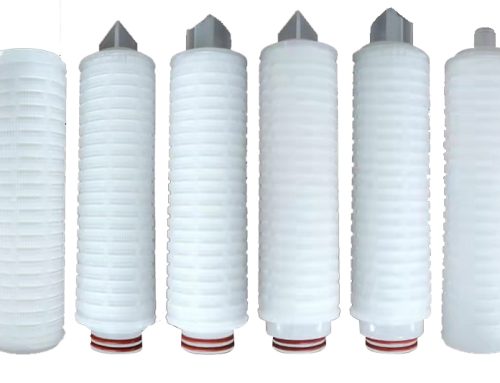
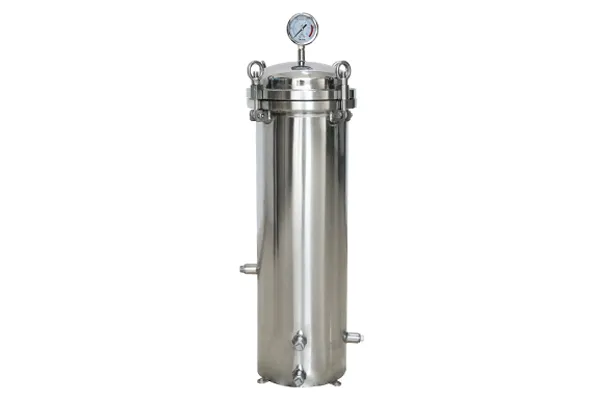
Cartridge-type stainless steel filters are identified by their cylindrical filter cartridges, which are generally made of sintered stainless steel, pleated stainless-steel mesh, or various other precision materials. These cartridges provide a huge surface for effective filtering.
One of their major advantages is the ability to successfully remove impurities , also those of really tiny sizes, making them perfect for applications needing high-purity liquids, such as in the pharmaceutical and semiconductor sectors. The overall structure is practical , allowing for easy installment and substitute of the cartridges. They also show excellent chemical resistance , enabling them to handle a wide range of destructive fluids.
Nonetheless, there are some constraints. The cost of replacing cartridges is relatively high , specifically for high-precision cartridges. Likewise, they have fairly high requirements for operation ; inappropriate installation or handling of the cartridges can influence the purification effectiveness.
How to Select the Right Stainless-steel Filter Housings?
Picking the appropriate stainless-steel filter relies on numerous key variables. If filtering precision is the leading priority, such as in pharmaceutical or electronic manufacturing, the cartridge-type filter is the way to go. For applications with huge processing volumes and modest filtering demands, like in water therapy plants or chemical processing lines, the bag-type filter is a better option. When considering price spending plan , particularly for long-lasting usage, the basket-type filter may be extra affordable due to its recyclable basket, although this relies on the particular application.
It’s additionally vital to take into account the nature of the fluid being filteringed system, such as its thickness, temperature, and chemical structure. As an example, corrosive liquids require filters with solid chemical resistance, which makes the cartridge-type filter a suitable choice. High-temperature liquids may require filters with products that can withstand such conditions, and all 3 types, being made of stainless-steel, can take care of particular heats, however it’s still needed to check the specific specifications.
Conslusion
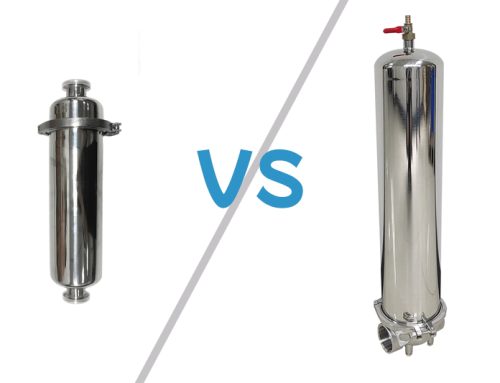
In recap, each kind of stainless-steel filter housing has its very own set of advantages and disadvantages. The bag-type filter excels in dealing with big quantities with modest precision yet comes with routine substitute expenses. The basket-type filter is durable, easy to preserve, and economical for sure applications yet has limitations in purification location and accuracy. The cartridge-type filter is unbeatable in great filtration and chemical resistance yet has greater substitute costs and operational needs.
Selecting the ideal filter is vital for making sure the effectiveness and high quality of industrial processes. It not just impacts the efficiency of the equipment but additionally the high quality of the final products.
Whether you remain in the production, food and drink, pharmaceutical, or any various other industry that requires filtration, comprehending the attributes of these stainless steel filter housings will certainly assist you make an informed choice that ideal matches your certain requirements.
견적 받기