
Bag filter housings are an integral part of industrial filtration systems. Whether you’re filtering water, chemicals, oil, or other liquids, these units ensure that contaminants are effectively removed, providing cleaner outputs. In this guide, we’ll explore how bag filter housings work, their importance in different industries, and practical tips for maintenance.
How Bag Filter Housings Work
Bag filter housings are designed to capture and remove particulates from liquids or gases as they pass through a filter bag. The housing holds the filter bag in place, and the liquid flows through, leaving behind impurities trapped inside the bag.
The process starts when the fluid enters the housing and is evenly distributed over the filter bag. As the liquid passes through the filter material, unwanted solids are caught inside the bag, while the clean liquid flows out. Bag filters come in various micron ratings to capture different sizes of particulates, offering flexibility depending on the application.
Industries Using Bag Filter Housings
- Bag filter housings are used across many industries due to their efficiency and cost-effectiveness. Let’s take a look at some of the key sectors that rely on these systems:
- Water Treatment: Bag filter housings are commonly used to remove sediments and contaminants from water, ensuring it meets regulatory and safety standards.
- Chemical Processing: In the chemical industry, bag filter housings help filter out impurities during production, preventing contamination and ensuring product quality.
- Oil and Gas: For oil filtration, bag filters play a vital role in separating contaminants from oils, ensuring cleaner fuel or lubricants.
- Food and Beverage: These systems are also used to filter out particulates in food and beverage production, maintaining hygiene and product safety.
Key Components of a Bag Filter Housing
To better understand how to operate and maintain bag filter housings, it’s crucial to know their primary components.
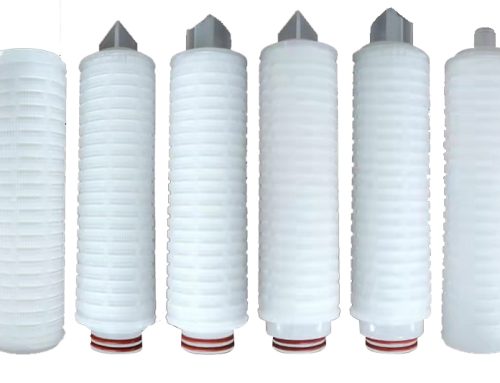
- Filter Bag: The filter bag is the heart of the system. These come in various materials, including polypropylene and polyester, and are selected based on the fluid being filtered and the size of contaminants.
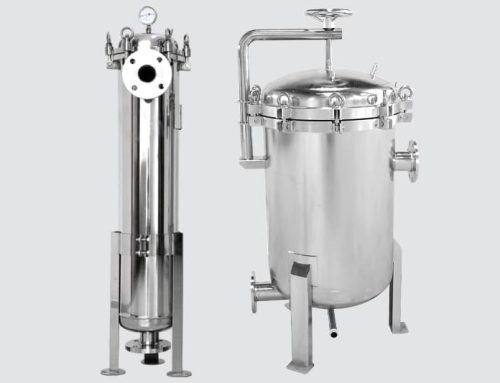
- Housing: This is the outer shell that encloses the filter bag. It’s typically made of materials like stainless steel to handle different fluid types and pressures.
- Inlet and Outlet Ports: The fluid enters through the inlet, flows through the filter bag, and exits through the outlet after filtration.
- Pressure Gauge: Many systems are equipped with a pressure gauge to monitor flow and detect when the filter bag needs replacing due to increased pressure buildup from trapped contaminants.

Proper Installation of Bag Filter Housings
- Installing a bag filter housing correctly is essential for its proper function. Below are the critical steps for installation:
- Positioning the Unit: Ensure the housing is installed upright with enough space around it for easy access during maintenance. Make sure it’s positioned close to the fluid source to minimize the need for long piping runs.
- Connection to the System: Secure the inlet and outlet pipes to the appropriate ports, ensuring the connections are tight to prevent leaks. Depending on the housing, you may need to use specific fittings, such as flanges or threaded connections.
- Pressure Testing: Once installed, perform a pressure test to ensure the system is properly sealed and there are no leaks. This will help prevent operational issues and ensure that the filter is operating efficiently.
Maintenance Tips for Bag Filter Housings
- Regular maintenance of bag filter housings ensures consistent filtration performance and extends the life of the system. Here are some tips to keep your system in top shape:
- Inspect the Filter Bag Regularly: Check the condition of the filter bag frequently and replace it when it becomes clogged. A pressure gauge can help determine when the bag needs changing—higher pressure usually indicates it’s time for a replacement.
- Clean the Housing: Periodically remove and clean the housing to eliminate any buildup of contaminants. This prevents clogging and ensures the fluid flow remains steady.
- Check for Leaks: Regularly inspect the housing and connections for any signs of leakage. Any leaks can compromise the filtration process and lead to system failure if left unaddressed.
- Monitor Pressure: Keep an eye on the pressure gauge to ensure it remains within the recommended operating range. If the pressure is too high, it may indicate a clogged filter bag or another issue within the system.

Common Issues with Bag Filter Housings and How to Solve Them
- Bag filter housings are reliable, but like any equipment, they can face operational challenges. Here are some common issues and how to fix them:
- Clogged Filter Bags: If the filter bags clog too frequently, it could mean the fluid contains too many particulates or the micron rating of the bag is too low. Try using a bag with a higher micron rating or pre-filtering the fluid.
- Leaks in the System: Leaks can occur due to worn-out seals or improper installation. Regularly inspect seals and gaskets for wear and tear, and ensure connections are tight.
- Reduced Flow Rate: A sudden decrease in flow rate might indicate a clogged filter bag or pressure buildup in the housing. Check the bag and replace it if necessary, and inspect the housing for any blockages.
Best Practices for Maximizing Bag Filter Housing Lifespan
- Maximizing the lifespan of your bag filter housing ensures that you get the most out of your investment. Here are some best practices to follow:
- Use High-Quality Filter Bags: Choosing the right filter bag for your application is crucial. High-quality bags made from durable materials ensure better filtration and longer life between replacements.
- Maintain Proper Pressure Levels: Operating your filter housing within the recommended pressure range prevents wear and tear on the filter bag and housing components.
- Schedule Regular Inspections: Periodic inspections allow you to catch potential issues early, such as leaks or worn-out parts, preventing costly downtime or repairs.
結論
Bag filter housings are a critical component in industrial filtration, ensuring that liquids and gases are free from contaminants. Whether you’re working with water, chemicals, or oil, proper operation and maintenance of your bag filter housing will help ensure efficient filtration and extend the system’s lifespan. By following best practices in installation, regular maintenance, and addressing issues promptly, you can keep your filtration system running smoothly for years to come.
今すぐお見積もりを