Single Bag Filter Housings
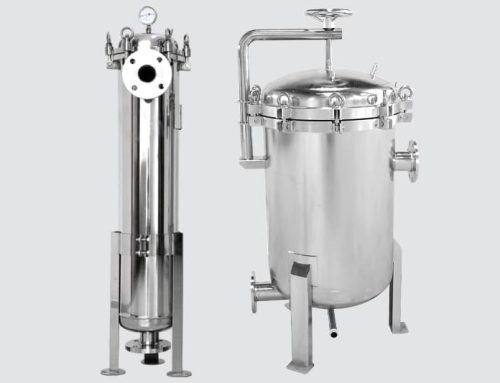
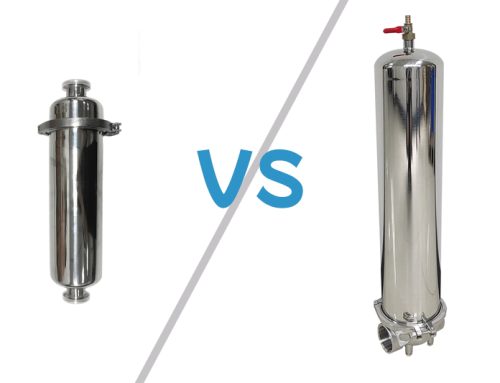
Single bag filter housings are designed to hold one filter bag at a time, making them an ideal choice for smaller filtration systems or applications with lower flow rates. These housings are often used in situations where space is limited, and the filtration requirements are not overly demanding. Single bag housings are straightforward to operate and maintain, with the bag replacement process being relatively quick and simple. They are typically more cost-effective upfront compared to multi bag housings, making them a popular choice for smaller operations or those with budget constraints.

Exploring Multi Bag Filter Housings
On the other hand, マルチバッグフィルターハウジング are designed to hold multiple filter bags simultaneously, allowing for higher flow rates and larger filtration capacities. These housings are well-suited for industrial applications where large volumes of fluid need to be filtered efficiently. Multi bag housings can significantly reduce downtime since they allow for longer operation periods before the bags need to be replaced. However, the initial cost of multi bag housings is generally higher than that of single bag housings, and they require more space and more complex maintenance procedures.

Pros and Cons of Single Bag Filter Housings
Pros:
- Cost-Effective: Single bag housings are generally less expensive, making them a good option for smaller systems or those with limited budgets.
- Easy to Maintain: With only one bag to replace, maintenance is simpler and quicker.
- Space-Saving: These housings take up less space, which is ideal for installations where space is at a premium.
Cons:
- Limited Capacity: Single bag housings are not suitable for applications requiring high flow rates or large filtration volumes.
- Frequent Maintenance: The filter bag will need to be replaced more frequently in high-demand applications, leading to more frequent maintenance.
- Pros and Cons of Multi Bag Filter Housings
Pros:
- High Capacity: Multi bag housings can handle higher flow rates and larger filtration volumes, making them ideal for industrial applications.
- Reduced Downtime: With multiple bags in operation, these housings allow for longer run times before maintenance is required.
- Scalability: They offer the flexibility to expand the filtration system as needed by adding more bags.
Cons:
Higher Initial Cost: Multi bag housings are more expensive upfront, which can be a barrier for smaller operations.
Complex Maintenance: Maintaining multiple bags can be more time-consuming and require more space for operation.
Key Considerations When Choosing Between Single and Multi Bag Housings
When deciding between single and multi bag housings, consider the specific needs of your application. For smaller systems with limited space and budget, single bag housings might be the better choice. They are easy to maintain and cost-effective, making them ideal for lower flow rates. However, if your application involves higher flow rates, large volumes, or industrial-scale operations, multi bag housings may be worth the investment. The increased capacity and reduced downtime can offset the higher initial cost, providing long-term benefits in terms of efficiency and scalability.
結論
Choosing between single and multi bag filter housings depends largely on your specific filtration needs and operational requirements. Single bag housings are a great choice for smaller, less demanding systems, offering simplicity and cost-effectiveness. On the other hand, multi bag housings are better suited for larger industrial applications where high capacity and reduced downtime are essential. By carefully evaluating the pros and cons of each option, you can select the filter housing that best meets your needs, ensuring efficient and reliable filtration for your system.
連絡先