
How to choose stainless steel water filter housing?
The choice and design of a stainless steel water filter housing requires reviewing operational needs, water chemistry, product scientific research, governing conformity, and system assimilation. This report synthesizes essential considerations for enhancing performance, sturdiness, and security. Secret searchings for highlight 316L stainless-steel for exceptional deterioration resistance sought after applications. Efficient filtration relies on specific cartridge assimilation and flow price administration , with stress decline estimations essential for system efficiency. Personalization of link user interfaces and real estate setups is critical for seamless integration and ideal performance throughout diverse commercial, commercial, and property uses. Proactive consideration of local policies and arising contaminants is essential for lasting practicality and market accessibility.

How does stainless steel water filter housing work?
The functional environment determines stainless-steel water filter housing style and product requirements. Comprehending the primary application, target flow price, and maximum operating pressure is paramount for functional efficacy and architectural integrity.
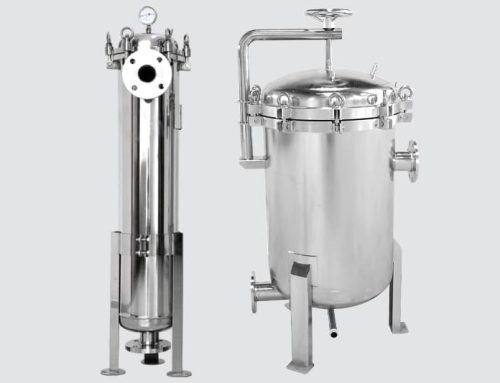
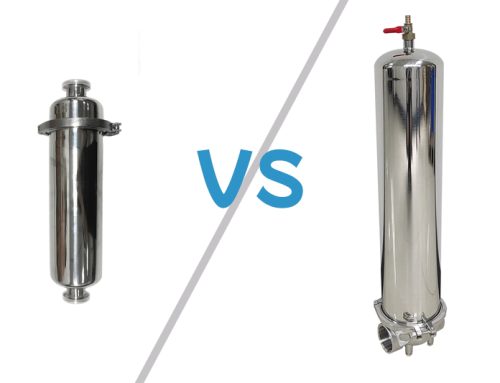
Stainless steel water filter housings are commonly utilized in commercial procedures , 飲食 , drugs , oil and gas , power and utilities , and general water treatment. Their durability and hygienic, non-porous surface, which prevents bacteria, make them suitable for industries with rigid sanitation requirements like food handling, pharmaceuticals, and medical car. For smaller-scale or single-stage applications, single cartridge housings are ideal. Multi-cartridge housings match larger systems needing substantial filtering and higher circulation prices, with some advanced styles suiting as much as 280-300 cartridges to optimize area and flow.
Target circulation rate is crucial. Criterion multi-cartridge housings handle 2-500 GPM , while single-round vessels are for below 50 GPM.Real estate design, measurements, and arrangement straight affect liquid handling at wanted flow rates. Optimizing design is critical in space-limited applications to attain flow without extreme pressure goes down; poorly configured links can dramatically decrease effective flow.
について maximum operating stress is a specifying quality. Housings are engineered to endure high stress without contortion, leveraging stainless-steel’s solidity and tensile stamina. Multi-cartridge vessels typically rate 150 PSI; single-round vessels up to 175 psig , and high-pressure versions as much as 2000 kPa. Costs 316L housings endure as much as 21 Bar. High-pressure applications necessitate specialized real estates for secure containment.
In addition, temperature level resistance is vital, specifically where fluid temperatures vary. Kind 304 SS endures as much as 870 ° C( 1598 ° F ), while 316 deals higher resistance, as much as 925 ° C( 1697 ° F). This wide tolerance makes stainless steel exceptional for high-temperature applications. Polypropylene, while affordable, has lower limits: typically as much as 125 ° F and 150 psi.

Water Chemistry and Contaminant Profile
Water chemistry and contaminant profile are extremely important in identifying the suitable stainless-steel grade and purification method. Fluid-material interaction directly impacts system durability, efficiency, and filteringed system outcome purity.
Stainless-steel’s deterioration resistance comes from a natural protective oxide layer. However, this layer can be compromised by certain chemical impurities, needing mindful material option. Applications with hostile liquids または testing environmental conditions need exceptional corrosion resistance.
Kind 316 stainless steel is favored over 304, specifically in environments with chlorides or other harsh representatives, as a result of remarkable deterioration resistance.The 316L common (reduced carbon) provides boosted resistance to a vast array of chemicals, making it optimal for 脱塩 and severe aquatic or very corrosive outdoor applications.
について type of contamination (fragments, liquid, or vapor) influences filtration media, housing style, and circulation pattern. Beyond water, stainless steel real estates filter chemicals in 飲食 , paint and ink , 、および pharmaceutical sectors. In these varied applications, product compatibility (consisting of seals) with the fluid is vital to stop item contamination or real estate degradation.
To reduce corrosion and expand housing life-span, methods include:
- Using higher-grade stainless-steel (e.g., 316L, duplex) or corrosion-resistant coatings (e.g., PTFE, tantaline).
- Normal cleaning and inspection to deal with early rust indicators.
- Controlling the functional environment to minimize harsh component direct exposure.
- Ensuring ample drainage within the real estate design to avoid stagnant fluid build-up, which worsens localized corrosion.
While durable, PVDF housings offer broader chemical compatibility however minimal dimension as a result of cost. For food/beverage, virgin polypropylene real estates (colorant/glass/talc-free) typically fulfill FDA demands , yet have dramatically lower chemical and temperature level resistance than stainless-steel.
How is stainless steel water filter specification?
Stainless-steel quality option and governing conformity are fundamental for water filter real estate security, performance, and market approval. These straight effect structural integrity, chemical compatibility, and public wellness.
Product Specs
Stainless-steel (SS) is the product of option for water filter real estates as a result of durability, deterioration resistance, and hygienic buildings.Usual grades are 304 and 316/316L austenitic stainless-steels .
- Stainless Steel 304: Made use of for general water applications due to great rust resistance and ease of sanitation. Consists of a minimum of 10.5% chromium and max 1.2% carbon.
- Stainless Steel 316/316L: Supplies exceptional chemical and deterioration resistance over 304, specifically with chlorides or hostile chemicals The “L” (reduced carbon) enhances resistance to sensitization and intergranular corrosion post-welding, making 316L extremely recommended for harsh marine environments, desalination, and diverse chemical applications.
For requirements going beyond common 304 or 316L, unique alloys like LDX2101, C276, AL6XN, RA2205, and Monel 400 can be custom-manufactured, providing boosted resistance to specific harsh media or extreme temperature levels.
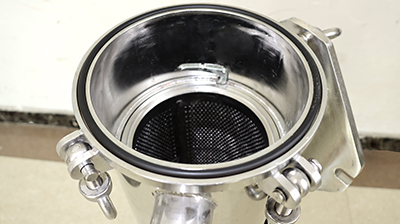
Filter Cartridge for stainless steel water filter housing
Efficient filtration performance links to smooth cartridge combination and sizing within its housing. The real estate has to safely suit the cartridge, make sure appropriate securing, and promote efficient fluid circulation.
Filter Cartridge Kind and Compatibility.
Stainless steel filter real estates adjust to different cartridges for ideal filtration. Common kinds consist of:.
- Debris filters.
- Carbon filters.
- RO (Reverse Osmosis) membrane layers .
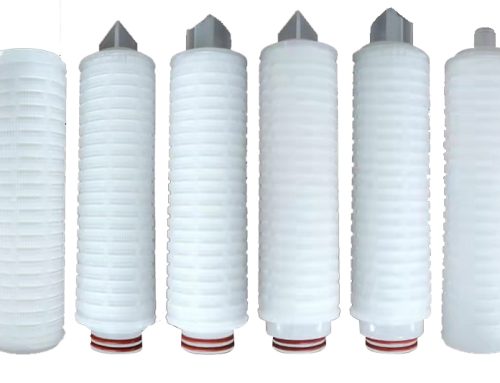
- Pleated filter .
- Melt-blown and string-wound cartridges. The housing needs to maintain temperature and stress without deterioration, making certain compatibility with the selected cartridge material and operating problems.
Standard Filter Cartridge Dimensions
Housings commonly sustain industry-standard cartridge lengths and sizes:
- Lengths: 10″, 20″, 30″, and 40″
- Diameters: Industrial housings typically accommodate 2.5″ OD cartridges ; higher tidiness applications may use up to 3.0″ OD. For higher flow/dirt capability, ” Big Blue” housings utilize 4.5″ diameter cartridges
- End Cap Styles: .
- Double Open Up End (DOE): Both finishes open, calling for securing at both ends within the real estate.
- Single Open End (SOE): One end shut, the other functions certain sealing devices like 222/226 O-rings , fin, or spring setups. SOE cartridges with 222/226 O-rings and locking tabs are advised for high-purity (1 micron+) applications.
While standard measurements prevail, some suppliers, like Universal Filtering, personalize housings for non-standard cartridges based upon user needs and attracting specs.

How is sealing for stainless steel water filter filter housing?
Effective securing within the filter housing is critical to avoid unfiltered fluid bypass and make certain system honesty. Numerous approaches are used:.
- O-rings: Dual O-ring seals (e.g., 222 or 226 with locking tabs) are commonly utilized, especially for high-purity applications.
- Knife-edge seals: An alternative limited seal.
- Caught O-ring Housing Seal: Suggested for frequent real estate openings, thick liquids, or sticky contaminants, as it retains the O-ring.
- Clamps: Captured clamps match applications with low clean contaminants and irregular real estate openings.
- Turning Bolts: Bigger multi-cartridge real estates (usually > 7 rounds) usually use swing bolts for protected closure and securing.
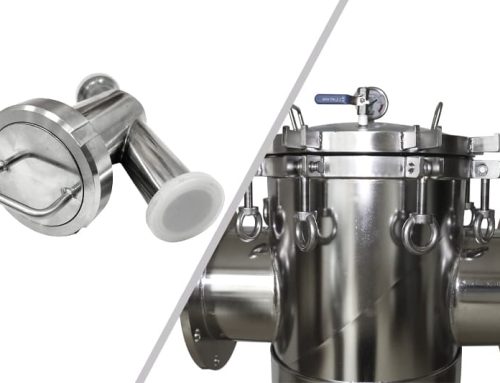
- Tri-Clamp: Operator-friendly Tri-Clamp sealing layouts are common in hygienic applications, requiring no unique devices for fast, simple cartridge change-out.
O-ring product option is vital for chemical compatibility and temperature resistance. Typical materials include:.
- Buna-N (Nitrile) .
- EPDM (Ethylene Propylene Diene Monomer).
- Silicone.
- Viton (Fluoroelastomer). Correct seal installment is important; oiling seals before placing the end cap ensures a proper seal. Several process cycles might be needed for essential securing.

How are the stainless steel water filter housing internals and designs?
Past fundamental measurements and securing, inner housing design substantially adds to filtration effectiveness and ease of maintenance.
- Deflection Plate (Mug and Blog Post): In sanitary real estates, a deflection plate or “cup and post” style usually equally distributes inbound water flow, stopping directing and making best use of cartridge usage.
- Reduce of Changeout: Styles helping with simple, secure cartridge changeouts are highly valued, consisting of spring-aided opening devices for multi-core vessels, inclined bag real estates, and hydraulic covers.Some enable aesthetic assessment of the cartridge seal prior to closing.
- Safe Changeouts: For dangerous chemicals, changeout systems should restrict driver direct exposure; contained filter systems securing filter and liquids inside a bag are an instance.
Complete stress decline is the amount of cartridge and real estate stress goes down. Cartridge pressure drop boosts with dirt, while housing stress decline stays continuous. Maximizing real estate design, consisting of interior circulation path and port dimensions, is critical to minimize real estate stress decline, usually due to unstable circulation from inlet/outlet restrictions.
How are stainless steel water filter housing Connection Interfaces?
Inlet/outlet connection selection is a critical style decision making certain seamless assimilation with existing pipes and process lines. This effects installation convenience, system honesty, and long-term upkeep.
Industrial stainless-steel filter real estates make use of numerous connection types, selected based on procedure needs, pressure ratings, and convenience of installation/maintenance.
Common Connection Types:.
1. Threaded Connections (NPT, BSP): .
NPT (National Pipeline Taper) and BSP (British Standard Pipeline) prevail threaded connections.
- Advantages: Extensively offered, reasonably very easy to set up for smaller sized pipeline dimensions, and cost-effective.
Disadvantages: Prone to leakages otherwise correctly secured; larger dimensions can be tough to tighten. Much less appropriate for constant disassembly or high-purity applications where gaps harbor impurities. - Port Size Customization: Port dimensions can be tailored to match existing piping.
2. Flanged Connection:
- Advantages: Supply durable, leak-tight connections for bigger pipe sizes and high-pressure applications. Less complicated to disassemble/reassemble than welded connections. Usual in hefty commercial setups.
- Disadvantages: Need gaskets and screws, including in installment time and price. Bigger impact than threaded or hygienic links.
- アプリケーション Frequently used in multi-cartridge filter vessels and commercial processes with high flow prices and stress.
3. Sanitary Connections (Tri-Clamp):
- Advantages: Designed for high health and constant cleansing (food/beverage, pharmaceutical, biotech). Tri-Clamp connections fast, tool-free, and offer a smooth, crevice-free internal surface area lessening bacterial development.
- Disadvantages: Generally much more pricey than threaded or flanged.
- アプリケーション Suitable for routine Clean-in-Place (CIP) and Sterilization-in-Place (SIP) procedures.

Port Dimension Factors To Consider:
Required port dimension (e.g., 1″, 2″, or bigger) relates directly to target circulation rate and decreasing real estate stress decrease.
- Flow Rate and Pressure Decline: Real estate stress decline is substantially affected by inlet/outlet port sizes. Inadequately set up or undersized ports cause rough flow and enhanced pressure decrease, lowering system flow and efficiency.
- Optimization: To lessen pressure decrease, especially in high-flow systems, select port dimensions for laminar or much less turbulent flow. Norman Filter Firm (NFC) supplies application-specific stress loss price quotes and flow estimations for optimization.
Installment and Maintenance Implications:
- Setup Versatility: Stainless steel filter real estates provide installation versatility, mountable via brackets or directly inline.
- Pre-installation Checks: Before installation, make sure appropriate cartridges are offered, identify water quality problems, and gather essential products like an SS filter housing wrench.
- Stress Limits: Never surpass preferred water pressure throughout setup and procedure to stop device damages.
- メンテナンス Routine examination, cleansing, and timely filter component replacement are vital for ideal efficiency and durability. Connection type considerably impacts maintenance ease and rate; Tri-Clamp links facilitate fast cartridge change-outs.
Seal material is likewise important. Personalized choices consist of Buna-N, EPDM, Viton, and Silicone , each providing different temperature and chemical resistance for liquid compatibility.
Conclusion and Recommendations
Detailed analysis of stainless-steel water filter housings exposes an intricate interaction of material scientific research, engineering design, functional criteria, and regulative compliance. Optimal selection and configuration involve a holistic approach to system combination and long-term performance, past simply worldly selection.
Key Searchings For Recap:
- Product Supremacy: 316L stainless-steel is liked for demanding applications due to exceptional deterioration resistance, particularly in chloride-rich, high-salinity, or chemically hostile environments. While 304 SS fits general water, 316L provides improved durability in harsher problems. Exotic alloys are available for specific requirements.
- Performance Parameters: Housings fit vast flow prices (2 GPM single-round to 500+ GPM multi-cartridge) and endure considerable operating pressures (150-175 PSI requirement, high-pressure designs approximately 21 Bar or 2000 kPa). Temperature level resistance is durable, with 316 SS handling up to 925 ° C .
- Water Chemistry Impact: Water nature and impurities directly influence material option and rust prevention. Material compatibility, including seals (Buna-N, EPDM, Viton, Silicone), is extremely important to avoid destruction and guarantee filtrate purity.
- Regulative Imperatives: NSF/ANSI 61 certification is non-negotiable for drinking water, guaranteeing wellness impacts compliance (lead material, leachate). ASME Code (” U” & “”) certification is vital for pressure stability, ensuring quality and toughness in pressurized systems.
- Cartridge Integration: Real estates must precisely accommodate common cartridge lengths (10″, 20″, 30″, 40″) and diameters (2.5″, 4.5″ Big Blue), with DOE and SOE options. Reliable securing (dual O-rings, Tri-Clamps, swing screws) is crucial for preventing bypass.
- Connection User Interfaces: Different link kinds (NPT, BSP, flange, Tri-Clamp) are available, picked based on application, stress, and maintenance requires. Correct port sizing is crucial for reducing stress decrease and maximizing flow.
Details Recommendations for Ideal Stainless Steel Water Filter Housing Arrangement: .
1. Material Selection: For potable water, high salinity, or chemical exposure, 316L stainless steel is strongly recommended because of exceptional deterioration resistance and chemical compatibility. For less aggressive, general-purpose water filtering, 304 SS may be sufficient, however a cost-benefit analysis thinking about lasting sturdiness is suggested.
2. Efficiency Sizing:
- For flow prices listed below 50 GPM, a single-round housing is usually sufficient.
- For higher circulation prices (e.g., 50-500+ GPM), multi-cartridge housings are necessary. Cartridge count need to make sure wanted flow with very little stress decline, considering filter media.
- Housing stress ranking have to go beyond maximum expected operating pressure; ASME-certified real estates are basic for pressurized systems.
3. Contaminant-Specific Style:
- If specific chemical pollutants (e.g., high chlorides) are present, ensure the selected stainless-steel quality (316L) and seal materials (e.g., Viton or EPDM, depending upon chemical compatibility) are resistant.
- Think about interior style attributes like deflection plates for even circulation circulation, specifically in sanitary applications, to maximize filtering effectiveness and avoid directing.
4. Regulatory Conformity:
- For any drinking water application, NSF/ANSI 61 qualification is required. Verify the details variation (e.g., 2024) and make sure all elements (seals, finishings) satisfy wellness results needs.
- For pressure-bearing housings, ASME Code “U” or “UM” qualification is important for safety and regulatory conformity, specifically in commercial settings.
- For European markets, PED conformity is important, requiring comprehensive understanding of the directive’s components and consistency analysis treatments.
5. Cartridge Integration:
- Systematize on 10″, 20″, 30″, or 40″ size cartridges and common diameters (2.5″ or 4.5″ Big Blue) for broad filter media availability and cost-effectiveness.
- Prioritize real estates sustaining SOE cartridges with 222/226 O-rings and locking tabs for high-purity applications, using remarkable sealing integrity [17]
- Select O-ring materials (Buna-N, EPDM, Silicone, Viton) based upon fluid chemistry and running temperature.
6. Connection Interface
- For sanitary applications or constant, tool-free disassembly, Tri-Clamp links are extremely recommended.
- For durable, high-pressure industrial applications, flanged connections are suitable.
- For basic utility or smaller sized systems, threaded connections (NPT/BSP) might be adequate, guaranteeing correct securing.
- Make sure port dimensions are appropriately sized to decrease stress decrease and support target flow rate, potentially consulting suppliers for flow estimations.
Get A Quote Today!