
Stainless steel filter housings are a cornerstone in various filtration systems across industries. Their importance cannot be overstated, as they ensure the proper function and longevity of filtration processes. So, what makes a high-quality stainless steel filter housing? Let’s break it down.
What is a Stainless Steel Filter Housing?
Basic Definition
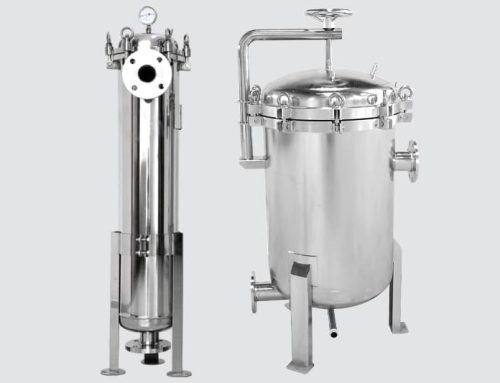
A stainless steel filter housing is a robust container designed to hold filter elements used to separate contaminants from fluids. These housings are crucial in both protecting the filter media and facilitating effective filtration.
Role in Filtration
Systems The housing not only supports and seals the filter element but also ensures that the filtration process operates under optimal conditions, such as the correct pressure and temperature. Its quality directly impacts the system’s overall efficiency and reliability.
Key Features of High-Quality Stainless Steel Filter Housings
Material Composition
- Grades of Stainless Steel
The quality of a stainless steel filter housing starts with the material itself. Common grades include 304 and 316 stainless steel. Grade 316 offers superior resistance to corrosion and is often preferred for harsh environments or where purity is crucial.
- Corrosion Resistance
High-quality housings should resist corrosion even under exposure to aggressive chemicals, high temperatures, and varying pH levels. The choice of stainless steel and its treatment (e.g., passivation) enhances this resistance.
Structural Integrity
- Thickness and Strength
A good filter housing has a substantial wall thickness to withstand internal pressures and mechanical stress. Thin walls might be cheaper but compromise durability and safety.
- Weld Quality
The strength and quality of welds are critical. High-quality housings feature seamless welding or carefully inspected welded joints that can handle stress without cracking or leaking.
Design Considerations
- Flow Dynamics
The internal design should promote smooth fluid flow, minimize pressure drop and avoid dead zones where contaminants might accumulate. Good design ensures efficient operation and longevity of the filter media.
- Ease of Maintenance
High-quality housings are designed for easy access to the filter element. This includes features like quick-release clamps or screw tops that simplify filter replacement and cleaning processes.
- Pressure Ratings
The housing should be rated for the pressures it will encounter in service. Quality housings are rigorously tested to withstand pressures beyond the maximum operating levels, ensuring safety and performance.
Чистота поверхности
- Importance of Smooth Surefaces
A smooth surface finish prevents the buildup of contaminants and makes cleaning easier. It also helps in maintaining the structural integrity of the housing by reducing sites where corrosion can start.
- Polishing Techniques
Techniques like electro-polishing can enhance the smoothness and durability of the surface. This process removes micro-roughness and improves the housing’s resistance to bacterial growth and chemical attack.

Advantages of Stainless Steel Filter Housings:
Durability and Longevity
Stainless steel housings are known for their durability. They can withstand extreme temperatures, pressures, and corrosive environments, making them a long-term investment for any filtration system.
Hygiene and Cleanability
These housings are easy to clean and maintain, essential for industries like food and beverage or pharmaceuticals, where hygiene is paramount. Their smooth surfaces and corrosion resistance support stringent cleaning protocols.
Versatility in Applications
Stainless steel filter housings are used in various applications due to their strength and resistance to a wide range of chemicals and temperatures. They are equally at home in industrial, environmental, and sanitary applications.
Common Applications of Stainless Steel Filter Housings
Industrial Applications
- Химическая обработка
In chemical processing, these housings are used to filter aggressive chemicals and handle high pressures and temperatures, ensuring the integrity and safety of the process.
- Food and Beverage
The food and beverage industry relies on stainless steel housings for their cleanliness and resistance to corrosion, which are crucial for maintaining product quality and safety.
- Environmental Systems
In environmental systems, such as water treatment and pollution control, these housings provide durable solutions for filtering out contaminants under challenging conditions.
- Medical and Pharmaceutical Uses
The medical and pharmaceutical sectors use stainless steel housings for their ability to maintain sterility and resist chemical attack, which is vital for producing and handling sensitive products.
Maintenance and Care
- Regular Cleaning Procedures
Regular cleaning is necessary to prevent buildup of residues that could affect performance. Depending on the application, methods may include flushing, ultrasonic cleaning, or chemical treatments.
- Inspection and Troubleshooting
Periodic inspections help detect potential issues like corrosion or wear. Addressing these early can prevent costly failures and extend the housing’s service life.
Choosing the Right Stainless Steel Filter Housing
Assessing Application Needs
Consider the specific demands of your application, such as the type of fluid, operating pressure, and temperature. Matching these with the housing’s specifications ensures compatibility and performance.
Budget and Longevity Considerations
While higher-quality housing might come with a higher initial cost, its durability and lower maintenance requirements can lead to cost savings over the long term. Evaluate the total cost of ownership when making your decision.
FAQ:
What grades of stainless steel are commonly used in filter housings?
The most common grades are 304 and 316 stainless steel, with 316 being preferred for more corrosive environments due to its superior resistance.
How can I ensure my stainless steel filter housing is high-quality?
Look for features like a high-quality grade of stainless steel, thick walls, seamless or high-quality welds, and a smooth surface finish. Additionally, ensure it meets the pressure and temperature requirements of your application.
What are the benefits of a polished surface in a filter housing?
Polished surfaces reduce contamination buildup, are easier to clean, and improve resistance to corrosion and bacterial growth.
How often should I clean my stainless steel filter housing?
Cleaning frequency depends on the application and the type of contaminants filtered. Regular inspections will help determine the optimal cleaning schedule.
Are stainless steel filter housings suitable for all applications?
While they are highly versatile, they may not be suitable for extremely high-purity or extremely aggressive environments without additional coatings or treatments. Always match the housing specifications to your application’s requirements.
Получите предложение сегодня