
Корпус фильтра as the core device of industrial purification, its material selection, structural design and technological innovation directly determines the production efficiency and safety of water treatment, pharmaceutical, energy and other fields. This article analyzes the technical advantages of filter housing systems through 10 dimensions, combining industry data and case studies to reveal its key role in reducing pollution and improving resource utilization.
1. Technical Definition and Core Values of Filter
Definition and Functions
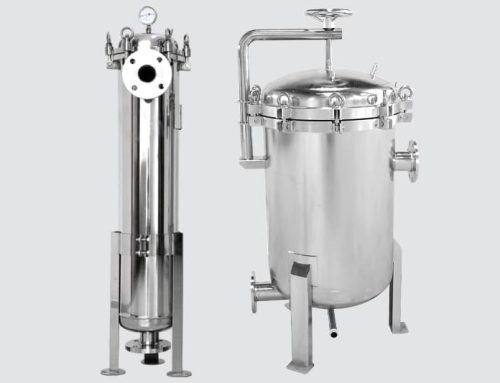
Filter housing is an airtight device made of stainless steel, polypropylene and other materials, which separates impurities (e.g., particles, bacteria) in the fluid through physical retention and adsorption. Its core value is to safeguard the purity of the fluid and avoid equipment corrosion and process contamination.
Data support: According to the Global Water Treatment Association statistics, industrial systems using precision filters can reduce the rate of equipment loss by 30%.
Component parts and synergism
Filter housing body: Stainless steel accounts for 65% of the material, with better pressure resistance than plastic.
Sealing Mechanism: Adopting Viton gasket, the leakage rate is less than 0.01% (compare to 0.1% for traditional rubber gasket).
Pressure Relief Valve: In the petrochemical field, the pressure relief valve reduces the risk of bursting by 30% in high-pressure working conditions.

2. Material grade and performance comparison
| Material Grade |
| Temperature Resistance Range | Cost Index (1-10) | ||
|---|---|---|---|---|---|
| Standard Grade (PP) | Column 2 Value | -20~80℃ | 3 | ||
| Industrial Grade (316L) | Pharmaceutical, chemical corrosive environments | -50~400℃ | 8 | ||
| Sanitary (FDA approved) | Food & Beverage Aseptic Processing | -10~120°C | 7 |
3. industry applications and benefit analysis Three, industry applications and benefit analysis Industry applications and benefit analysis
Water treatment field Water treatment field Water treatment field Reverse osmosis pre-filtration
Reverse osmosis pre-filtration: the use of multi-layer cartridge structure, suspended solids removal rate increased to 99.9% (95% for traditional systems).
Case: After upgrading filters at a municipal water plant, annual maintenance cost savings of $1.2 million were realized.
a. Pharmaceutical industry
Aseptic filtration: Sanitary stainless steel filters reduce the microbial contamination rate of pharmaceuticals from 0.5% to 0.01% (FDA standard).
Data Comparison: Vaccine production line using PVDF filter housings increased production capacity by 40%.
b.Energy & Chemicals
Refinery Application: Industrial grade filters reduce catalyst loss by 25%, saving $8 million in annual raw material costs.
Environmental Benefits: Oil and gas separation filtration system reduces carbon emissions by 15% (EPA 2024 report).

4. Technological Innovations and Future Trends
a.Intelligent Upgrade
IoT sensors monitor filter cartridge life in real time, increasing maintenance efficiency by 50% (Siemens case study).
Self-cleaning filter housing design reduces the frequency of manual intervention, and O&M costs drop by 35%.
b. Sustainable development
Recyclable polypropylene filter housing usage grows to 45% (2025 industry forecast).
Solar-powered filters have reached 20% penetration in African drinking water projects.
Summary
Filter housing systems have become the core technology for industrial purification through material innovation, structural optimization and intelligent upgrading. Its application in water treatment, pharmaceuticals, energy and other fields significantly improves resource utilization efficiency and safety. In the future, with the tightening of environmental regulations and technology iteration, high pressure-resistant, low energy consumption filters will dominate the market, creating greater economic and environmental value for enterprises.Contact our technical team today for customized filter solutions to optimize your production process!
Get a quote today!