
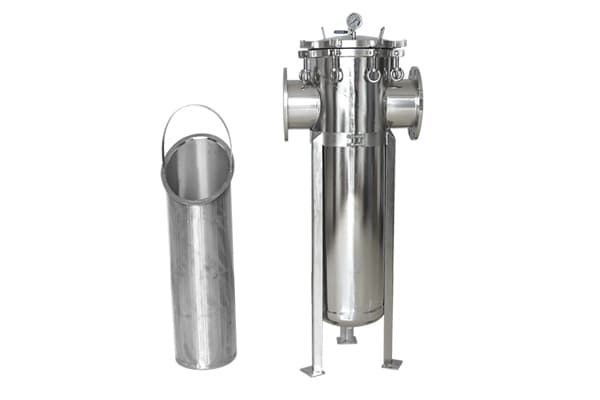
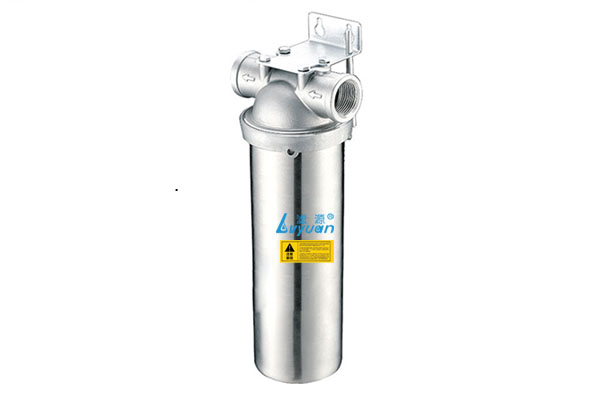
Industrial Basket Strainer Basket Type Pipeline Filter
- Reusable SS316 mesh, lifespan >5 years
- 2 years for disposable filters
- -196°C to 550°C, certified for pH 1-14 media
- Quick-open flange design with safety interlock
Lvyuan industrial basket strainers are crucial for protecting downstream devices by removing particles from streaming liquids throughout varied sectors such as Oil & Gas, Chemical Handling, Power Generation, Water Therapy, Pharmaceutical, and Food & Drink. We safeguard pumps, shutoffs, warm exchangers, and various other delicate elements.
Filter Accuracy: 100μm–5mm (Customizable)
Operating Pressure: 0.6–10 MPa (ANSI 150~900)
Connection Standard: ANSI/DIN/JIS Flanges
Operating Temperature: -196°C~450°C
How is industrial basket strainer configuration & Material Specs?
Configuration:
- Simplex: Single basket, cost-effective, requires system shutdown for cleansing, appropriate for set procedures.
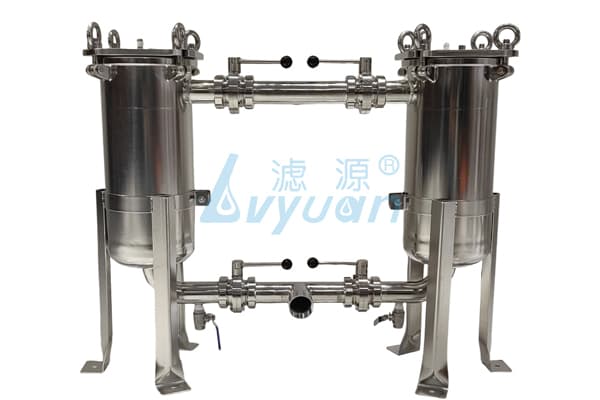
- Duplex: Dual baskets for constant procedure, ideal for critical procedures where downtime is inappropriate. Greater preliminary cost but lasting economic situation.
- Connection Kind: Typical kinds include Flanged (RF/RTJ, ASME B16.5), Buttweld (ASME B16.9), Threaded, and Welded. Victaulic links are a speculative alternative for fast assembly.

Material:
- Body: Carbon Steel (strength, economical), Stainless Steel (304/316/316L for corrosion, high temp/pressure, hygienic applications with electropolishing), Duplex Steel (unpleasant slurries), Cast Iron (resilience), PVC (low-pressure water), and Specialized Alloys (Monel, Hastelloy, Titanium for severe problems). Engineered finishes enhance deterioration resistance.
- Basket: Primarily Stainless Steel (304/316), Bronze, Plastic. Wedgewire baskets are favored for thick fluids and high stress. Different mesh types and Teflon-coated alternatives for very harsh atmospheres.
- Product Compatibility: Paramount. Chemical compatibility graphes are guides; extensive end-user assessment and prior screening under real operating problems are highly suggested as a result of variables like temperature, concentration, and liquid pureness.
How is the efficiency of industrial basket strainer?
- Flow Rate: High ability, typically going beyond 1,500 GPM (some approximately 3000 GPM). Viscous liquids necessitate larger surface areas. Circulation velocity differs by liquid (e.g., 7 ft/sec for water, 1-3 ft/sec for oil).
- Filtering Degree: Varies from 0.500 inches to 325 mesh (44 microns), typically 0.250 inches to 200 mesh (74 microns). Micron score specifies minimal fragment dimension, mesh size suggests openings per inch. Categories consist of crude, medium (75-1905 microns), and fine (down to 5 microns). Appropriate mesh choice is essential to stop clogging; better mesh may need boosted area. Open Area Ratio (OAR) affects solution intervals.
- Stress Decrease: Reducing stress drop (e.g., 0.5-2 PSIG for pump suction) is essential. Computed using the Curriculum vitae variable (flow at 1 psi loss) and adjustment aspects for liquid viscosity or mesh-lined baskets. Larger piping lowers stress loss.

What are the application of Industrial Basket Strainer?
Filter effectiveness depends upon liquid compatibility. They handle various fluid types:
- Liquids: Water, oil, chemicals.
- Viscous Liquids: Hefty oils, slurries; call for bigger surface areas and commonly wedgewire baskets to minimize pressure decline.
- Gaseous Media: For gas processing.
- Abrasive Slurries: Often need duplex steel.
- Corrosive Fluids: Demand cautious material selection. Operating temperature levels commonly vary from -20 ° F to 750 ° F( SS up to 896 ° F), with designs representing extreme transient problems. Pressure rankings rise to 3705 PSIG (ASME Course 150-900), needing a minimum 20% security margin. Strainers are evaluated to API 598 and ISO 5208.




Entre em contato conosco